
Cannabis
THC vs. CBD: What’s the Difference?
Jul
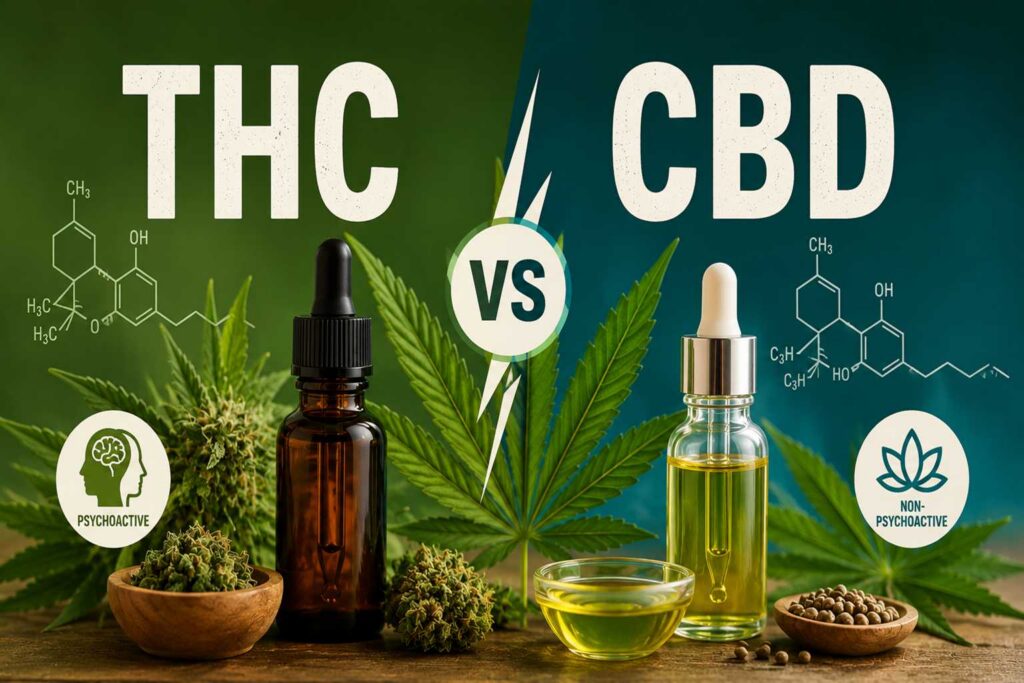
The cannabis plant has become one of the most talked-about natural wellness products in recent years. As interest in cannabis-derived products continues to grow, two compounds stand out above the rest: THC (tetrahydrocannabinol) and CBD (cannabidiol). While both are naturally found in cannabis and share some similarities, they have distinct effects, benefits, and legal considerations.
If you’re new to cannabis or considering trying a cannabis-derived product, understanding the difference between THC and CBD is essential. This guide explains how they work, their benefits, potential side effects, and how to choose the right option for your needs.
What Are THC and CBD?
THC and CBD are two of more than 100 naturally occurring compounds called cannabinoids found in the cannabis plant. These cannabinoids interact with the body’s endocannabinoid system (ECS), which helps regulate functions such as sleep, mood, appetite, pain perception, immune response, and memory.
Although THC and CBD have similar chemical structures, they affect the body in very different ways.
What Is THC?
THC, or tetrahydrocannabinol, is the primary psychoactive compound in cannabis. It’s responsible for the “high” or euphoric feeling commonly associated with marijuana use.
When THC enters the body, it binds directly to CB1 receptors in the brain, influencing mood, memory, coordination, and perception. Depending on the dose and individual tolerance, THC may produce relaxation, happiness, altered sensory perception, increased appetite, or drowsiness.
Medical professionals may recommend THC-containing products for certain conditions where permitted by law, including chronic pain, chemotherapy-induced nausea and vomiting, muscle spasticity associated with some neurological conditions, and appetite loss.
What Is CBD?
CBD, or cannabidiol, is a non-intoxicating cannabinoid. Unlike THC, CBD does not produce a high or impair cognitive function.
Instead of strongly binding to cannabinoid receptors, CBD influences the endocannabinoid system indirectly. Researchers believe this interaction may contribute to its potential therapeutic effects without causing intoxication.
CBD is commonly used by people seeking support for stress management, general wellness, improved sleep, recovery after exercise, and occasional discomfort. However, scientific evidence varies depending on the condition, and more research is still ongoing.
Key Differences Between THC and CBD
Although they come from the same plant, THC and CBD differ in several important ways.
1. Psychoactive Effects
The biggest difference is that THC is psychoactive, while CBD is not.
THC changes brain activity, producing the characteristic cannabis “high.” CBD does not create intoxication, making it appealing for people who want potential wellness benefits while remaining mentally clear.
2. Medical Uses
Both cannabinoids have therapeutic potential, but they are often used for different purposes.
THC is more commonly associated with pain relief, appetite stimulation, nausea reduction, and muscle relaxation.
CBD is frequently chosen for promoting relaxation, supporting healthy sleep, managing everyday stress, and addressing certain forms of epilepsy under medical supervision.
3. Side Effects
Both compounds can cause side effects, though they differ significantly.
Possible THC side effects include:
- Dry mouth
- Red eyes
- Increased heart rate
- Dizziness
- Impaired coordination
- Temporary anxiety or paranoia, especially at high doses
Possible CBD side effects include:
- Dry mouth
- Fatigue
- Drowsiness
- Changes in appetite
- Digestive discomfort in some individuals
CBD may also interact with certain medications, so it’s important to consult a healthcare professional before using it.
4. Legal Status
The legality of THC and CBD varies widely across countries and regions.
THC remains heavily regulated or illegal in many places because of its intoxicating effects.
CBD is often more widely available, particularly when derived from hemp containing very low levels of THC. However, regulations differ significantly, so always check local laws before purchasing or using cannabinoid products.
How Do THC and CBD Work Together?
Interestingly, THC and CBD can complement one another.
Research suggests that CBD may reduce some of THC’s unwanted side effects, such as anxiety or excessive intoxication. This phenomenon is often referred to as the “entourage effect,” where multiple cannabis compounds work together to influence the body’s response.
Many cannabis products are formulated with both THC and CBD to create a more balanced experience.
Common Product Types
THC and CBD are available in many forms, including:
- Oils and tinctures
- Capsules
- Gummies and edibles
- Topical creams
- Vape products
- Beverages
- Softgels
The ideal product depends on your goals, preferred method of consumption, desired onset time, and local regulations.
Which One Should You Choose?
Choosing between THC and CBD depends on your individual needs and circumstances.
CBD may be a better option if you:
- Want to avoid intoxication
- Need to remain alert during the day
- Are interested in general wellness support
- Prefer products with minimal psychoactive effects
THC may be more appropriate if:
- You are seeking stronger pain relief under medical guidance
- You need help with appetite stimulation
- You’re using cannabis legally for qualifying medical conditions
- You understand and are comfortable with its psychoactive effects
Some individuals find that products containing both THC and CBD provide the most balanced results.
Safety Tips Before Using THC or CBD
Before trying any cannabis-derived product, keep these safety considerations in mind:
- Start with a low dose and increase gradually if needed.
- Buy products from reputable companies that provide third-party laboratory testing.
- Read ingredient labels carefully.
- Avoid driving or operating machinery after consuming THC.
- Consult a healthcare provider if you’re pregnant, breastfeeding, taking prescription medications, or have underlying health conditions.
- Store products safely away from children and pets.
Conclusions
THC and CBD are two powerful cannabinoids with unique properties and potential benefits. While THC is known for its psychoactive effects and stronger symptom relief in certain medical situations, CBD offers a non-intoxicating alternative that many people use for relaxation and general wellness.
Understanding the differences between these compounds can help you make informed decisions based on your health goals, lifestyle, and local laws. As research continues to evolve, both THC and CBD are likely to play an increasingly important role in medicine and wellness. Whether you’re exploring cannabis for therapeutic purposes or simply seeking to understand the science behind it, choosing high-quality products and consulting a qualified healthcare professional are always the best first steps.
