
Mushrooms
Different Types of Psilocybin Mushrooms: Species and Key Characteristics
Nov
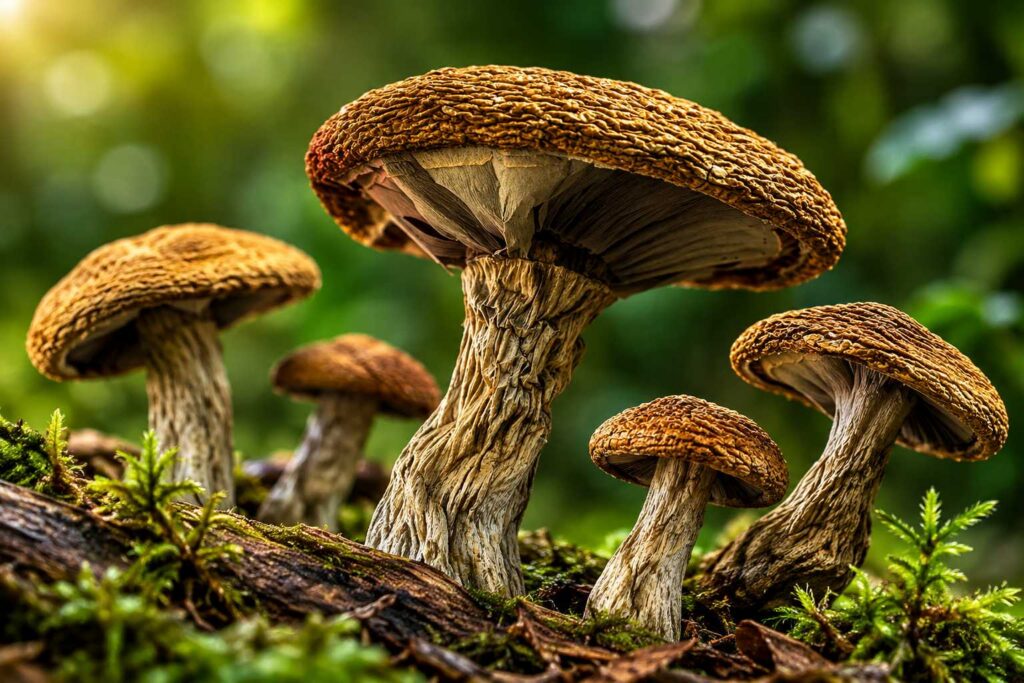
Psilocybin mushrooms, commonly known as magic mushrooms, are a group of fungi that naturally contain psychoactive compounds, primarily psilocybin and psilocin. These compounds can influence perception, mood, emotions, and thought processes. Psilocybin mushrooms belong to several species, each with distinct physical characteristics, natural habitats, and chemical profiles.
Although these mushrooms are widely discussed for their traditional, cultural, and scientific significance, they also carry potential psychological and physical risks. Understanding the differences between species, popular cultivated strains, and essential safety considerations is important for anyone researching these fungi.
What Are Psilocybin Mushrooms?
Psilocybin mushrooms are naturally occurring fungi that contain psychoactive compounds, primarily psilocybin and psilocin. Commonly known as magic mushrooms, they are recognized for their unique effects on human perception, mood, emotions, and consciousness. These mushrooms grow in various natural environments, including forests, grasslands, and tropical regions. They come in different species, each with distinctive physical features, habitats, and chemical compositions. Psilocybin mushrooms have a long history of traditional and cultural significance and have gained increasing attention in modern scientific research. Researchers are particularly interested in their potential therapeutic applications, including their possible role in supporting mental well-being, emotional processing, self-awareness, and psychological exploration. Their fascinating biological properties and growing scientific interest make them an important subject in mycology and neuroscience.
Types of Psilocybin Mushrooms
There are numerous psilocybin-containing mushroom species worldwide. However, some are more widely recognized because of their distribution, distinctive appearance, and scientific interest.
1. Psilocybe cubensis
Psilocybe cubensis is one of the most widely recognized psilocybin mushroom species. It is commonly found in tropical and subtropical regions, particularly in parts of Central America, South America, Southeast Asia, and other warm climates.
These mushrooms typically have golden-brown to caramel-colored caps, pale stems, and dark purplish-brown spore prints. Their appearance can vary depending on environmental conditions and maturity.
One notable characteristic of P. cubensis is its relatively widespread cultivation in controlled research and horticultural settings. It is also the species associated with many popular cultivated varieties, including Golden Teacher and Penis Envy.
2. Psilocybe semilanceata
Known as the Liberty Cap, Psilocybe semilanceata is a distinctive mushroom commonly associated with grasslands and meadows in temperate regions.
Its most recognizable feature is its small, bell-shaped or conical cap, which often has a pointed tip. The cap generally ranges from yellowish-brown to olive-brown, while the stem is slender and pale.
Unlike P. cubensis, Liberty Caps are primarily associated with grassy environments rather than tropical habitats. They are considered an important species in mycological research because of their natural distribution and psychoactive chemical composition.
3. Psilocybe cyanescens
Often called Wavy Caps, Psilocybe cyanescens is known for its characteristic wavy cap edges, particularly in mature specimens.
The caps are typically chestnut-brown when moist and become lighter as they dry. Their stems are relatively thin, and the species is known for developing bluish discoloration when its tissues are damaged.
This mushroom is commonly reported in temperate regions, particularly in wood-chip beds, landscaped areas, and environments containing decaying woody material. Its appearance makes it recognizable to experienced mycologists, although identification should never rely on appearance alone.
4. Psilocybe azurescens
Psilocybe azurescens is a species native to the Pacific Northwest of the United States. It is particularly associated with coastal environments, especially areas containing sandy soil, wood debris, and decaying plant material.
It generally features a caramel-colored cap, a slender stem, and noticeable bluish bruising. The species has attracted scientific attention because of its comparatively high and variable concentrations of psychoactive compounds.
Its distinctive characteristics and restricted natural distribution make it an important species in discussions of psilocybin-containing fungi.
Popular Strains of Psilocybin Mushrooms
In addition to naturally occurring species, several cultivated varieties are commonly discussed in mushroom-related communities. These varieties are often called strains, although many are more accurately described as cultivars or cultivated lines within a species.
1. Penis Envy
Penis Envy is a well-known cultivated variety of Psilocybe cubensis. It is recognized for its thick stems, relatively small caps, and unusual appearance.
It has gained attention because some cultivated samples have demonstrated comparatively high psilocybin concentrations. However, potency can vary significantly between individual mushrooms and batches.
2. Golden Teacher
Golden Teacher is one of the most recognizable cultivated varieties of Psilocybe cubensis. It typically features golden-colored caps and relatively long stems.
The variety is popular in discussions of mushroom cultivation history and mycology. Its name comes from its characteristic golden appearance and its association with introspection in popular descriptions. However, experiences and chemical composition are not consistent or predictable.
3. Blue Meanie
The name Blue Meanie is used for different mushrooms, including certain Panaeolus species and cultivated varieties of Psilocybe cubensis.
This distinction is important because the same common name can refer to different fungi. Some species associated with this name contain psilocybin, while others may have different characteristics.
Therefore, scientific identification is more reliable than common names when discussing mushroom species.
4. King Kong
King Kong is a name used for a cultivated variety of Psilocybe cubensis. It is generally discussed in mushroom communities as a large-bodied variety with substantial stems and caps.
Like other cultivated varieties, its physical characteristics and chemical composition can differ depending on genetics and growing conditions. The name itself does not guarantee a particular potency or experience.
Safety Tips for Psilocybin Mushroom Consumption
Psilocybin mushrooms can produce powerful changes in perception, emotions, and cognition. Their effects are not always predictable, and potential risks should be taken seriously.
Here are some important safety considerations:
1. Avoid unidentified mushrooms: Never consume wild mushrooms based on appearance, photographs, or online identification alone. Some poisonous species can resemble psychoactive mushrooms and cause severe illness or death.
2. Understand psychological risks: Psilocybin can trigger anxiety, panic, confusion, or distressing experiences. People with a personal or family history of psychotic disorders or bipolar disorder may face additional risks.
3. Be aware of interactions: Combining psilocybin with medications, alcohol, or other psychoactive substances may introduce unpredictable risks. Seek professional medical advice about potential interactions.
4. Avoid hazardous environments: Impaired perception and judgment can increase the likelihood of accidents. Activities involving driving, swimming, heights, or operating machinery are particularly dangerous.
5. Know the signs of an emergency: Severe agitation, seizures, loss of consciousness, breathing difficulties, or suspected poisoning require immediate medical attention. Contact local emergency services or a poison-control professional.
6. Consider legal regulations: Psilocybin laws differ considerably between countries and regions. Always understand the applicable laws before handling or possessing these substances.
Conclusion
Psilocybin mushrooms offer a fascinating opportunity to explore the diversity of nature and the growing interest in psychedelic research. By understanding different species, popular strains, and their unique characteristics, readers can develop a deeper appreciation of these remarkable fungi. At Express Buds, we aim to make information about magic mushrooms more accessible and informative. Whether you are exploring their history, characteristics, or potential applications, we encourage curiosity, responsible awareness, and informed decision-making throughout your journey.
